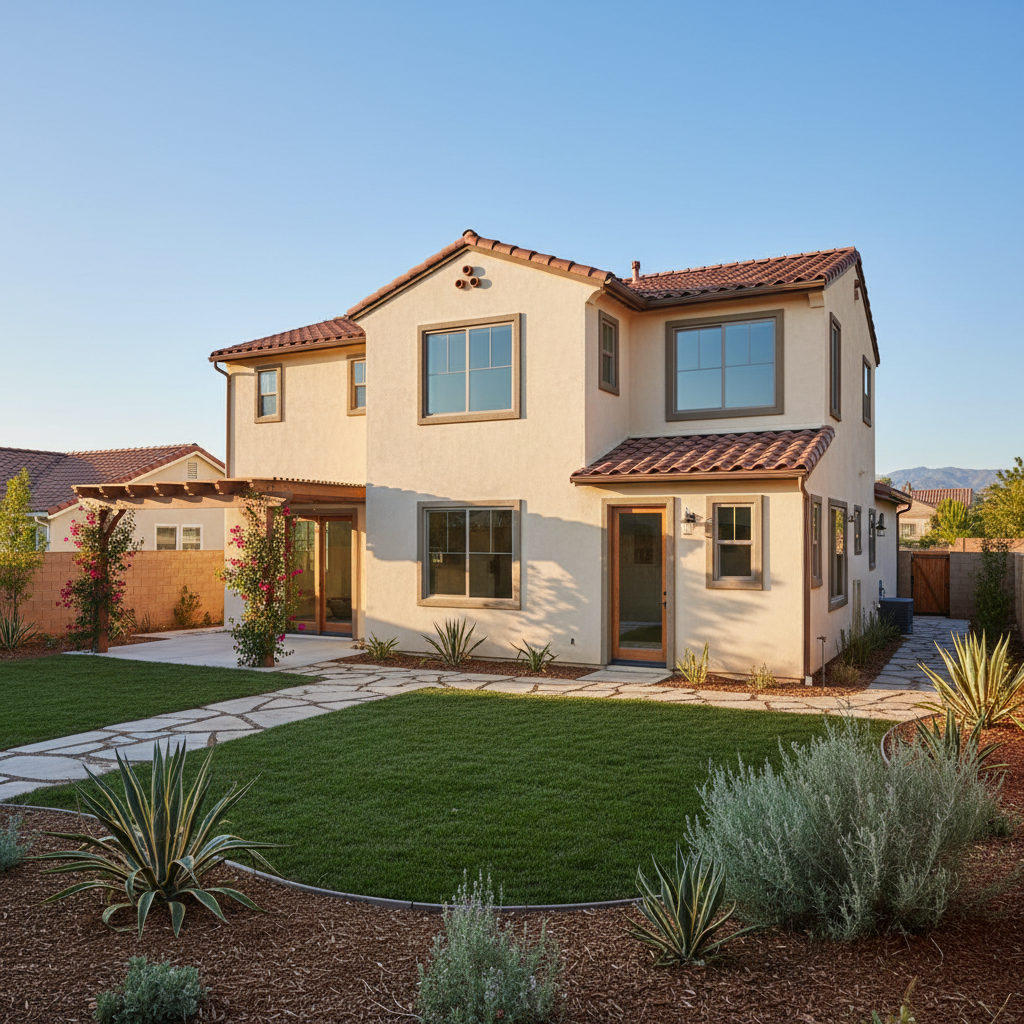
You're ready to build an ADU, that's awesome. It's a great investment, especially here in Anaheim. But before you jump in, let's talk about some common mistakes I see homeowners make when they're planning or hiring for the engineering side of things. Trust me, getting this part wrong can set you back thousands and cause a ton of stress.
Ignoring the Site-Specific Engineering Needs
A lot of folks think ADU engineering is just a rubber stamp process. They see a standard plan online and figure it'll work for their backyard. That's a huge mistake. Every property is unique, especially when you consider things like soil conditions. Here in Anaheim, we've got a pretty diverse geology. You could be in a neighborhood with nice, stable sandy loam, or you might be closer to the old riverbeds where the soil is more expansive or has a higher water table. If your engineer doesn't do proper soil testing – a geotechnical report – you're building on shaky ground, literally. You might need deeper foundations, special drainage, or even retaining walls that weren't in your initial budget. Skipping that upfront investigation is a false economy; it'll cost you more down the line in change orders or, worse, structural issues.
Hiring the Cheapest Engineer Without Vetting
I get it, everyone wants to save a buck. But when it comes to engineering, 'cheap' often means 'expensive' later. I've seen homeowners pick an engineer based solely on the lowest bid, and then they get plans that are incomplete, hard to read, or don't meet city requirements. This leads to endless back-and-forth with the city's plan checkers, delays, and often, the need to pay for revisions or even a whole new set of plans. A good engineer isn't just drawing lines; they're solving complex structural problems and making sure your ADU is safe and compliant. Ask for references, look at their past projects, and make sure they have a solid track record with Anaheim's planning department. You want someone who knows the local codes inside and out, not just someone who can pull up a generic template.
Not Understanding the Scope of Engineering Work
When you get an engineering quote, do you really know what's included? Many homeowners don't. They assume 'engineering' covers everything from structural calculations to drainage plans to Title 24 energy calculations. Sometimes it does, sometimes it doesn't. You need to clarify exactly what services are part of the agreement. Will they handle all the structural elements for the foundation, walls, and roof? What about grading and drainage plans, especially if you're dealing with a sloped yard or need to manage rainwater runoff effectively? Does it include a site visit during construction to ensure things are built to spec? Don't just sign off on a vague proposal. Get a detailed breakdown so there are no surprises. This is where a company like Anaheim ADU Solutions can really help, because we make sure all these pieces are covered and coordinated.
Ignoring Utility Connections and Easements
This one catches a lot of people off guard. Your ADU needs water, sewer, gas, and electricity. Sounds obvious, right? But how those utilities connect to your main house and where they run on your property can be a major engineering hurdle. Do you have existing sewer lines running right where you want to build? Are there utility easements that restrict construction? I've seen projects grind to a halt because homeowners didn't realize they needed to relocate a main sewer line or couldn't build over an SCE easement. Your engineer needs to factor in these existing conditions and design solutions that are both compliant and practical. Don't assume your existing utilities can just be tapped into easily; sometimes, it's a much bigger job than you think.
Trying to DIY the Engineering Process
Look, I appreciate a good DIY spirit, but engineering isn't the place for it. This isn't hanging a picture frame. Structural integrity, seismic considerations (hello, Southern California!), and navigating complex building codes require licensed professionals. Trying to sketch out your own plans or make engineering decisions without proper expertise is a recipe for disaster. It'll lead to rejected plans, costly rebuilds, and potentially dangerous structures. Your engineer is there to protect your investment and ensure the safety of your ADU. Let them do their job. It's a critical part of getting your ADU built right and passing inspection the first time.
So, before you break ground, take a breath. Do your homework on your site, vet your engineer thoroughly, understand what you're paying for, and respect the complexity of utility connections. These steps will save you a lot of grief and help you get that ADU built smoothly.