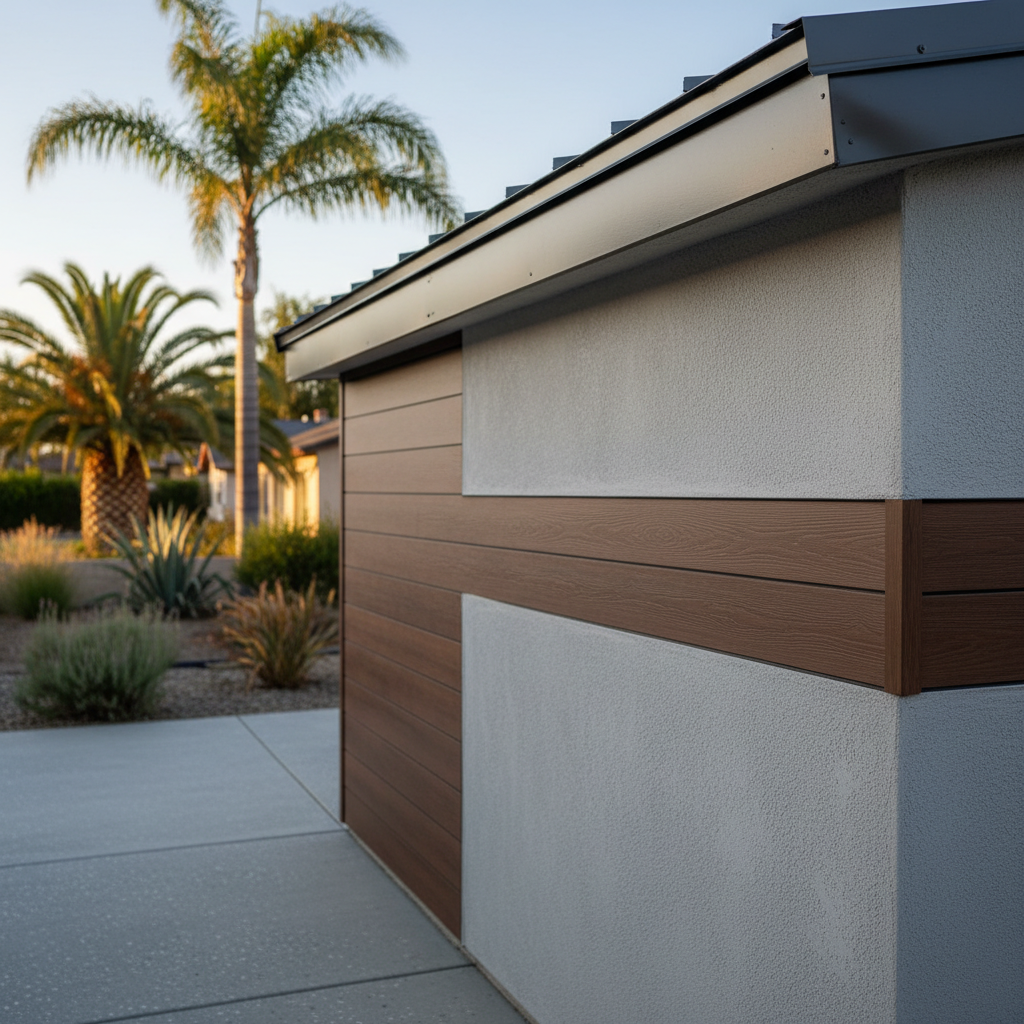
Alright, let's talk ADU engineering. It's one of those things that homeowners often overlook or don't fully understand when they first dream up an Accessory Dwelling Unit. You're picturing the extra space, maybe the rental income, but then someone mentions 'structural engineering' and your eyes glaze over. Don't let them. It's a critical part of the process, and frankly, it's what keeps your new structure standing and safe. As someone who's been building these things for years here in Anaheim, I've heard pretty much every question under the sun about engineering. So, let's tackle the big ones head-on.
What exactly is ADU engineering, and why do I need it?
Simply put, ADU engineering is the process where a licensed structural engineer designs the bones of your ADU. They figure out things like the foundation, the framing, the roof structure, and how it all connects to withstand forces like gravity, wind, and seismic activity. Why do you need it? Because the City of Anaheim, like every other city, requires it for safety and compliance. You can't just slap up a building. The engineer makes sure your ADU is sound, meets all the building codes, and won't fall down in the next earthquake. It's not just a hoop to jump through; it's about protecting your investment and, more importantly, the people who'll be using the space.
Do all ADUs need engineering, or just bigger ones?
Pretty much all of them, yes. Even a small detached ADU, say a 400 sq ft studio, needs structural engineering. If you're doing a garage conversion, you'll need an engineer to assess the existing structure, design any necessary reinforcements, and plan for new openings like doors and windows. An attached ADU? Absolutely. Anytime you're adding significant weight or altering the structural integrity of your property, an engineer needs to sign off on it. There are very few, if any, scenarios where you can build an ADU without some level of engineering review and design.
What kind of foundations are common for ADUs in Anaheim, and how does engineering play into that?
Here in Anaheim, especially with our varied soil conditions – from the sandy loams near the Santa Ana River to the more expansive clays you find closer to the hills – foundations are a big deal. The engineer will often start with a soils report, which tells us what kind of dirt we're building on. Based on that, they'll design the right foundation. Common types include slab-on-grade, which is basically a concrete slab poured directly on the ground, often with thickened edges or footings. For trickier soils, or if you're building on a slope, you might need a raised foundation with a crawl space, or even caissons if the soil is really unstable. The engineer specifies the concrete strength, rebar size and placement, and overall dimensions to ensure the foundation can support the ADU's weight and resist ground movement. This isn't a one-size-fits-all situation; it's tailored to your specific lot.
Can I use pre-approved ADU plans to skip engineering?
That's a good question, and it's a common misconception. Pre-approved plans, often called 'standard plans' or 'permit-ready plans,' can definitely streamline the architectural design and permitting process. They come with a lot of the architectural and sometimes even some basic structural details already figured out. However, they don't usually eliminate the need for site-specific engineering. An engineer still needs to review those plans in the context of *your specific property*. They'll look at your soil report, your property's topography, and any unique site conditions to make sure the pre-approved design is appropriate and safe for your lot. So, while they save you time on the initial design, you'll still need an engineer to adapt and stamp them for your site.
How much does ADU engineering typically cost?
This is where it gets a little 'it depends,' but I can give you a rough idea. For a typical detached ADU in Anaheim, you're usually looking at anywhere from $3,000 to $8,000 for structural engineering. Garage conversions can sometimes be a bit less if the existing structure is sound, maybe $2,000-$5,000. Larger or more complex projects, or those with challenging site conditions, could push that higher. This fee covers the engineer's time for calculations, drawing up the structural plans, and often a site visit or two. It's a significant chunk of change, but it's money well spent for the peace of mind and the successful permitting of your project. Don't try to cut corners here; it'll cost you more in the long run.
What happens if my existing structure isn't up to code for an ADU conversion?
This happens a lot, especially with older homes and garages. If you're converting an existing garage, the engineer might find that the foundation isn't adequate, the walls aren't properly reinforced for new window or door openings, or the roof structure needs beefing up to support new finishes or solar panels. In these cases, the engineer will design the necessary upgrades. This could mean adding new footings, reinforcing walls with shear panels, or installing new beams. It adds to the construction cost, sure, but it's non-negotiable. The city won't approve it otherwise, and frankly, you wouldn't want to live in it. This is where a good contractor, like us at Anaheim ADU Solutions, works closely with the engineer to integrate these solutions efficiently.
How long does the engineering phase usually take?
Once you've got your architectural plans pretty much finalized, the engineering phase itself can take anywhere from 2 to 6 weeks. This includes the engineer doing their calculations, drafting the structural plans, and coordinating with the architect if there are any conflicts. If a soils report is needed, that's an additional few weeks upfront. Keep in mind, this timeline can fluctuate based on the complexity of your project and the engineer's current workload. It's not the longest part of the ADU process, but it's a critical one that you can't rush. Getting it right here saves you headaches and delays down the line during permitting and construction.
So, there you have it. Engineering isn't the sexiest part of building an ADU, but it's arguably the most important. It's what ensures your new space is safe, durable, and compliant with all the local regulations. Don't be afraid to ask your engineer questions; they're there to make sure your vision becomes a reality, safely and correctly.