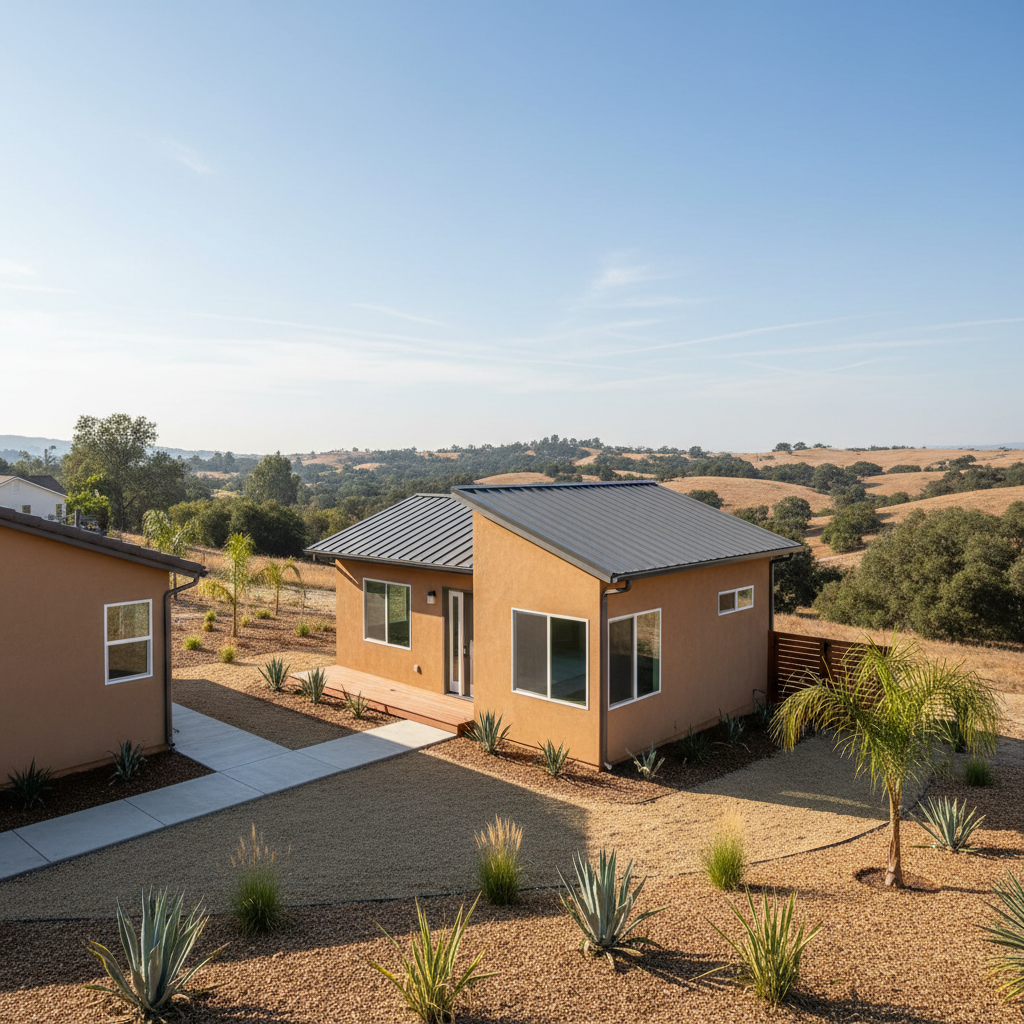
Thinking about adding an ADU to your Anaheim property? That's a smart move, especially with the demand for housing here. But before you even think about breaking ground, there's a whole lot of planning and engineering that needs to happen. And let me tell you, getting this part right is crucial. It's the foundation for everything else.
What's the ADU Engineering Timeline Look Like?
People often ask me, "How long does this engineering stuff actually take?" It's not a quick weekend project, that's for sure. From the moment you decide you want an ADU to getting those plans approved, you're looking at a few months, minimum. Here's a rough breakdown:
- Initial Consultations & Site Visit (1-2 weeks): First, you'll talk to a few folks like me, maybe an architect or designer. We'll come out, check your property, see what's feasible, and discuss your vision. This is where we figure out the lay of the land, literally.
- Preliminary Design & Feasibility (2-4 weeks): Once we have a good idea, a designer or architect will start sketching out preliminary plans. This isn't the final blueprint, but it helps confirm if your idea fits your lot, meets zoning, and makes sense structurally.
- Engineering & Architectural Design (4-8 weeks): This is the meat of it. The architect will finalize the floor plans, elevations, and all the aesthetic details. Simultaneously, the structural engineer gets to work. They're designing the foundation, the framing, the roof system – making sure your ADU stands strong and safe. They'll consider things like our local seismic activity and soil conditions, especially if you're on a sloped lot up near the hills.
- Title 24 Energy Calculations (1-2 weeks): This is a state requirement. An energy consultant figures out how to make your ADU energy efficient, which is good for your wallet and the environment.
- Plan Check & Revisions (8-16 weeks, or more): You submit all these plans to the City of Anaheim's planning and building departments. They review everything with a fine-tooth comb. Expect comments and requests for revisions. It's rare to get approval on the first pass. We'll make the changes, resubmit, and wait again. This back-and-forth can be the longest part of the process.
- Permit Issuance: Once everything is approved, you pay your fees, and you get your building permit. Now you're ready to start construction.
So, from start to permit in hand? You're easily looking at 4 to 8 months. Sometimes longer, depending on the complexity of the project and how busy the city is.
How to Get Ready for Engineering
You can make this process smoother for everyone involved. Being prepared helps speed things up and avoids costly surprises down the road.
- Know Your Property: Dig up your property survey if you have one. Know your lot lines, easements, and any existing structures. The more info you have, the better.
- Have a Clear Vision (but be flexible): Think about what you want your ADU for – rental, family, home office? How many bedrooms, bathrooms? What kind of finishes? Having a general idea helps, but also be open to suggestions. Sometimes what you envision isn't feasible or cost-effective, and a good engineer or designer can guide you.
- Set a Budget: Be realistic about what you can spend. Engineering and design are just one part of the overall cost, but they're a significant investment. Don't hide your budget; share it with your team so they can design accordingly.
- Understand Anaheim's Rules: While your team will handle the specifics, it helps to be generally aware of Anaheim's ADU ordinances. Things like setbacks, height limits, and parking requirements. You don't need to be an expert, but a basic understanding helps you ask better questions.
Questions to Ask Before You Sign That Contract
This is where you protect yourself and ensure you're working with the right people. Don't be shy; ask everything that's on your mind.
- What's included in your engineering scope of work? Make sure you know exactly what you're paying for. Does it cover structural, civil, Title 24, and any other necessary engineering? What about revisions requested by the city?
- What's your estimated timeline for the engineering phase? Get a realistic timeframe. They should be able to give you a range based on their experience.
- How many revisions are included in the fee? City plan checks almost always require revisions. You want to know if those are covered or if you'll be paying extra for every change.
- Who handles the permit submission and coordination with the City of Anaheim? Some engineers or architects handle this entirely; others expect you to be more involved. Clarify this upfront.
- Can you provide references from other ADU projects you've engineered in Anaheim? A reputable firm will be happy to share contacts. Talk to those homeowners; ask about their experience.
- What happens if there are unexpected site conditions (e.g., bad soil, hidden utilities)? This is especially important in older neighborhoods like those around the Colony Historic District. Sometimes you dig, and you find surprises. Understand how those are handled and if there are additional costs.
- What's your communication process? How often will you get updates? Who's your main point of contact? Good communication is key to a smooth project.
Getting your ADU engineered correctly is a big deal. It sets the stage for a successful build and avoids headaches down the line. Take your time, ask the right questions, and partner with professionals who know the ins and outs of building here in Anaheim. We've helped plenty of homeowners through this process at Anaheim ADU Solutions, and we're always happy to share our expertise. Don't rush it, do it right.