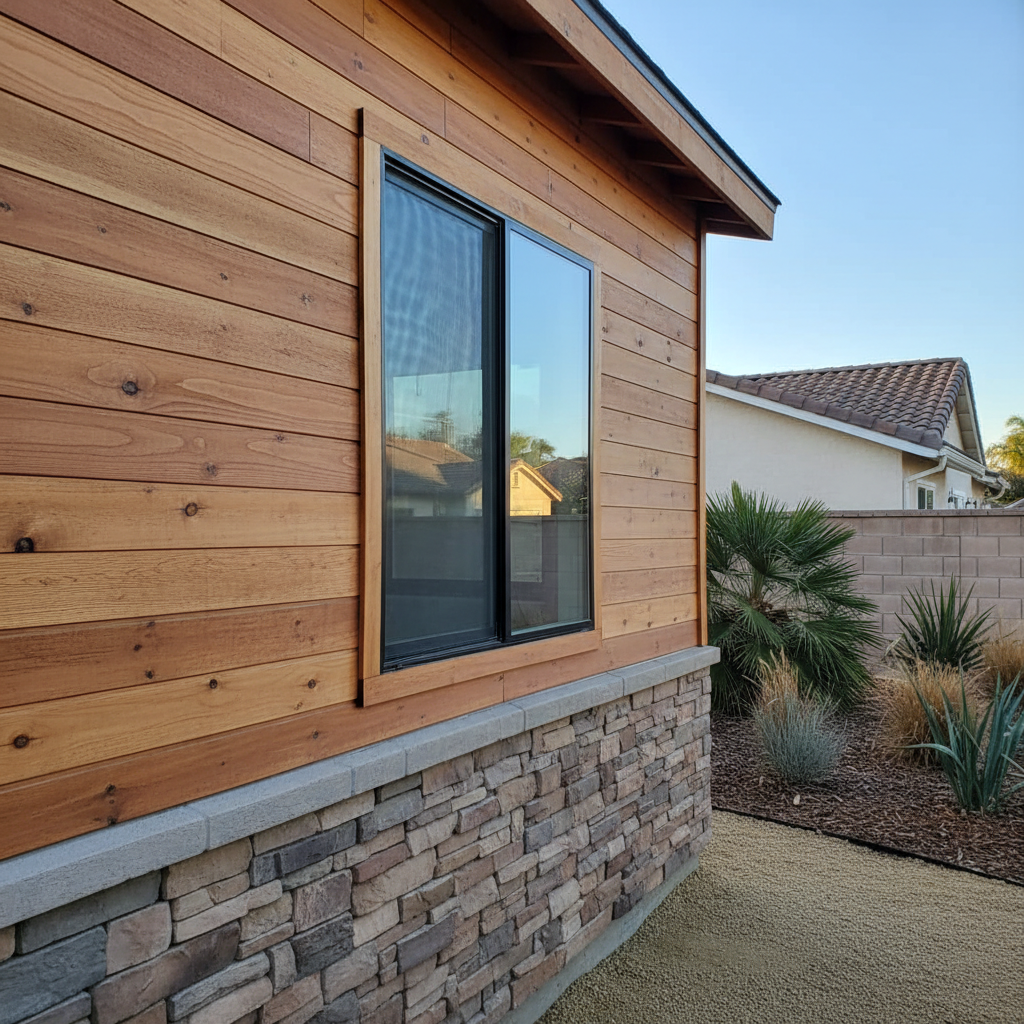
So, you're looking at that backyard space and thinking, 'Hey, a detached ADU would be perfect here.' Good idea! Adding a separate unit can really bump up your property value, bring in some rental income, or just give you a sweet spot for family. But hold on a minute. Before you even think about grabbing a hammer or sketching anything out, there's a lot to consider. Let's talk about what you *really* need to know, what you can realistically handle yourself, and when you absolutely, positively need to call in the pros.
Before You Break Ground: The Planning Stage
Honestly, most of the heavy lifting happens right here, even if it's just in your head. You've got to figure out what you want, what the city will actually let you do, and, of course, how you're going to pay for it all. Don't skip these steps; they'll save you a ton of headaches and money later on.
- Zoning and Permits: This isn't optional. Anaheim has some pretty specific rules for ADUs. We're talking setbacks from property lines, maximum size, and height limits. You can usually dig up a lot of this info on the City of Anaheim's planning department website. You'll definitely need to know your property's zoning designation to understand what's even possible. I've seen folks in the older neighborhoods, say near the Colony District, get totally tripped up by lot coverage rules, so pay extra close attention there. You can pull up your property info online or just make a trip down to City Hall.
- Design and Layout: What's this ADU going to be for? A rental? A home office? A place for Grandma? That's going to dictate the layout. You might be great at sketching out ideas, but when it comes to actual architectural plans that meet building codes, you'll need a licensed architect or designer. They'll know all about things like egress windows, minimum room sizes, and accessibility requirements. Trust me, trying to DIY plans to save a few bucks here almost always ends up costing more in revisions and delays.
- Budgeting and Financing: Get real about the costs. Materials, labor, permits, utility hookups – it all adds up, doesn't it? Get quotes for absolutely everything you can. And don't forget to stash away a contingency fund, because something *always* comes up. You can research material costs yourself, sure, but for accurate labor estimates, you'll need a contractor.
- Utility Connections: How will your new ADU get water, sewer, gas, and electricity? Sometimes you can piggyback off your main house, but often you'll need new, separate connections. This is definitely a job for licensed plumbers and electricians, and it needs to be part of your plan from day one.
So, what can you DIY here? Researching zoning, dreaming up layouts, and getting initial budget ideas. What you *can't*? Drawing up permit-ready plans or designing utility runs.
During Construction: Getting It Built
Once those permits are in hand, it's time to build. This is usually when most homeowners really grasp just how much goes into construction.
- Site Prep and Foundation: Clearing the site, grading, and pouring a foundation. Unless you're a seasoned concrete finisher, this is a job for pros. Getting the foundation wrong can lead to some serious structural problems down the road. Plus, with Anaheim's sometimes expansive clay soils, you really need proper engineering to prevent settling issues.
- Framing: This is where you put up the skeleton of your ADU. If you've got serious carpentry skills and the right tools, you *might* be able to frame a small, simple structure. But for anything complex, or if you're not totally confident in your ability to build to code, hire a framing crew. They're fast and precise, which helps.
- Rough-Ins (Plumbing, Electrical, HVAC): This is 100% professional work. You need licensed plumbers, electricians, and HVAC technicians. Period. Trying to do this yourself is not only dangerous but also illegal, and it will absolutely fail inspection.
- Insulation, Drywall, Roofing, Exterior Finishes: Some of these you might tackle. Hanging insulation isn't too tough. Drywall *can* be DIY, but getting it smooth enough for paint is, well, an art form. Roofing is usually best left to pros, especially if it's a pitched roof. Exterior siding or stucco? If you're handy, maybe. But remember, quality matters for curb appeal and longevity.
- Interior Finishes: Painting, flooring, installing cabinets, trim work. This is where you can save a lot of money if you're willing to put in the sweat equity. Painting is a common DIY task. Laying laminate or vinyl plank flooring is also doable for many people. Just watch some YouTube tutorials and take your time, okay?
For most of this, you'll be managing different trades. That's a big job in itself. This is where a general contractor, like us at Anaheim ADU Solutions, really earns their keep. We coordinate everything, making sure the right people are on site at the right time and that work passes inspection.
After Construction: The Final Touches & Beyond
You're almost there! The structure's up, the utilities are in, and it's starting to look like a real home.
- Final Inspections: The city will do final inspections to make sure everything meets code. Your contractor will usually handle scheduling these, but if you're managing the project yourself, you'll be the one coordinating with the inspectors. Don't move anyone in until you get that final sign-off.
- Landscaping and Exterior Details: This is a great area for DIY. Planting, adding a small patio, building a fence – these personal touches can make the ADU feel complete and inviting.
- Furnishing and Decorating: The fun part! Make it your own, or get it ready for tenants.
- Maintenance: Just like your main house, your ADU will need ongoing care. Regular checks of the roof, plumbing, and electrical systems are smart. Keep an eye on the exterior for cracks or water intrusion, especially after our winter rains.
Building a detached ADU is a big undertaking, no doubt, but it's incredibly rewarding. You can save money by doing some of the finishing work yourself, but for the structural, utility, and permit-critical phases, trust me, you want licensed professionals. It's not just about getting the job done; it's about getting it done right, safely, and legally.