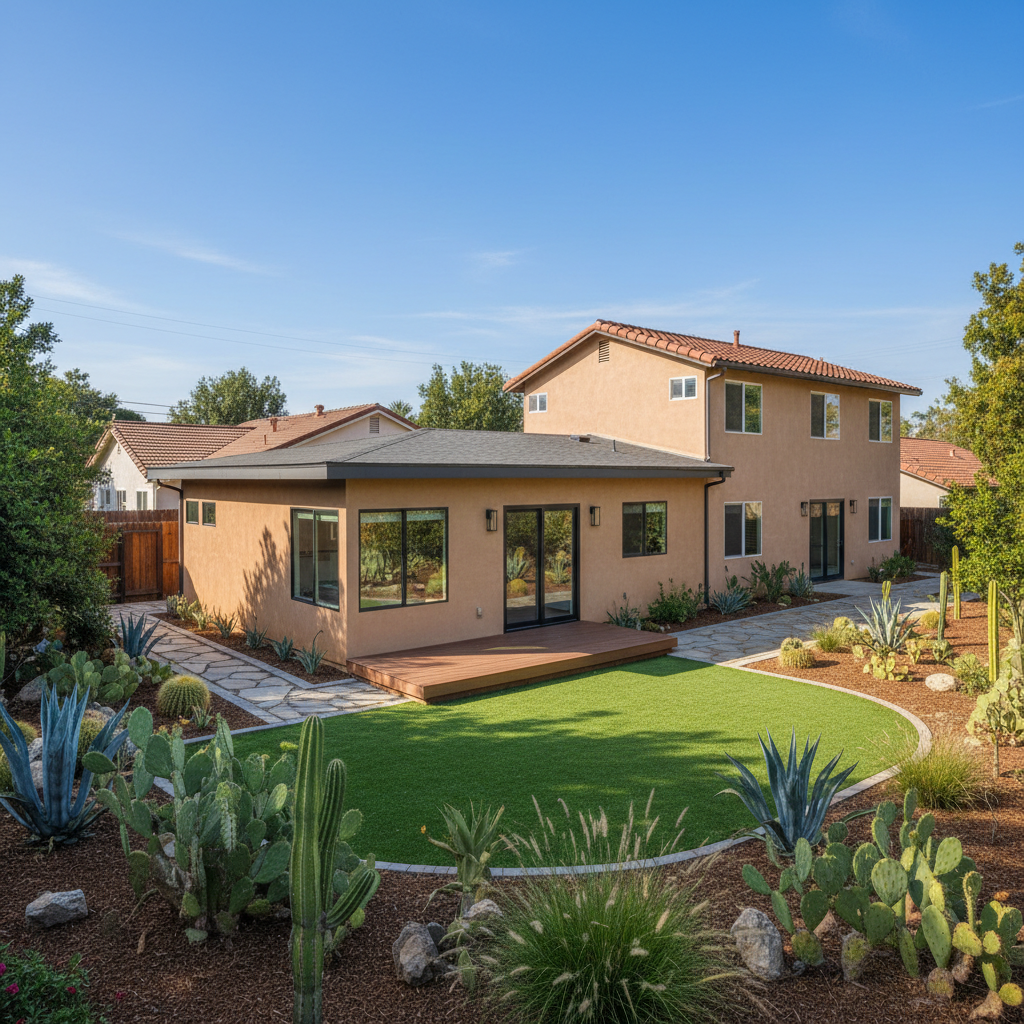
Alright, you've decided to build an ADU. That's a smart move for your Anaheim property, whether you're thinking about family, rental income, or just need some extra space. But let's be real, it's a big project, and you're probably wondering, "What's next?" You're definitely not alone. I've walked countless homeowners through this, and I can tell you, good planning makes all the difference.
Mapping Out Your ADU Timeline
So, how long does this whole thing actually take? It's not an overnight job, that's for sure. From the moment you first dream it up to the day you get the keys, you're usually looking at anywhere from 8 to 18 months. Yeah, it's a range, because every project is truly unique. Here's a rough breakdown:
- Initial Planning & Design (1-3 months): This is where you figure out what you want, what you can actually build, and get some preliminary drawings. You'll chat with designers, maybe an architect, and start thinking about your budget.
- Permitting (3-6 months): This often turns out to be the longest and most frustrating part for homeowners. You send your plans over to the City of Anaheim's planning department, and they review everything. There'll be back-and-forth, revisions, and, of course, waiting. It's just part of the process. Sometimes, if you're in an older neighborhood like the Colony District, there might be extra historical review steps that add a bit more time to the clock.
- Construction (4-8 months): Once those permits are finally in hand, the real fun begins! This is when we're actually building. How long it takes depends on your ADU's size and complexity, the weather (rainy winters can really slow things down), and how quickly inspections happen.
These aren't hard and fast rules, but they give you a realistic expectation. Don't let anyone tell you it'll be done in three months—unless it's a tiny shed that doesn't even need permits, of course.
What to Expect During the ADU Process
Building an ADU is a journey, and like any journey, you'll hit a few bumps. Here's what you should prepare for:
- Dust and Noise: You're going to have a construction site in your backyard. There will be noise from tools, trucks, and workers. And yes, there will be dust. It's unavoidable. We do our best to keep things tidy and minimize disruption, but it's important to set your expectations.
- Temporary Utility Interruptions: Sometimes, we'll need to temporarily shut off water or power to tie into your main lines. We always schedule these ahead of time and keep them as short as possible, but it's definitely something to be aware of.
- Inspections: The city inspector will visit the site multiple times throughout construction. They're checking our work to make sure it meets code. This is a good thing – it ensures your ADU is safe and sound. Occasionally, an inspection might require a small fix or a re-inspection, which can add a day or two to the schedule.
- Decisions, Decisions: You'll be making a lot of choices: flooring, paint colors, fixtures, cabinet styles. It's exciting, but it can also feel a bit overwhelming. Try to make these decisions early to avoid delays.
- Communication is Key: A good contractor, like us at ADU Construction Co, will keep you in the loop. Expect regular updates, and please, don't be afraid to ask questions.
How to Prepare Your Property and Yourself
Preparation isn't just about plans; it's about getting your home and your head ready for construction.
- Clear the Area: If you're building a detached ADU or converting a garage, start clearing out the space. Move anything valuable or sentimental out of the way. Think about where you'll store things if your garage is becoming the ADU.
- Talk to Your Neighbors: A little heads-up goes a long way. Let your neighbors know you're planning a project. It helps manage expectations about noise and traffic.
- Set Up a Communication Plan: Discuss with your contractor how often and how you want to communicate. Weekly meetings? Text updates? Email?
- Budget for the Unexpected: I always tell folks to have a contingency fund, usually 10-15% of the project cost. Sometimes we uncover unforeseen issues, like old plumbing or electrical that needs updating, especially in older Anaheim homes. It's better to be prepared than surprised.
- Plan for Parking: Construction vehicles take up space. Think about where trucks and crew vehicles will park, especially if you're on a street with limited parking.
Questions to Ask Before Signing That Contract
This is crucial. Before you commit, make sure you're comfortable with your contractor and everything in the agreement. Don't be shy; ask these questions:
- What's your detailed payment schedule? You want to know exactly when payments are due and what milestones they're tied to. Avoid contractors asking for a huge upfront payment.
- What's included in the price, and what's an allowance? Understand what's a fixed cost (like framing) and what's an allowance (like a budget for light fixtures). Allowances can be tricky if you go over.
- How do you handle change orders? Changes happen. You need to know the process for documenting and approving any changes to the scope or cost.
- What's the estimated project timeline, and what factors could affect it? Get a realistic timeframe, and understand what might cause delays (weather, inspections, material availability).
- Who will be my main point of contact, and how often will we communicate? You need one person to go to with questions and updates.
- What kind of insurance do you carry? They should have general liability and workers' compensation insurance. Ask for proof.
- Can I see your contractor's license and references? Always verify their license with the CSLB and call their references.
- What's your warranty on the work? A good contractor stands behind their work.
- How do you manage site cleanliness and safety? You want a tidy, safe work environment, especially if you're living on the property.
Building an ADU is a big step, but with the right planning and the right team, it's an incredibly rewarding one. Take your time, ask the tough questions, and you'll be well on your way to enjoying that new space.